
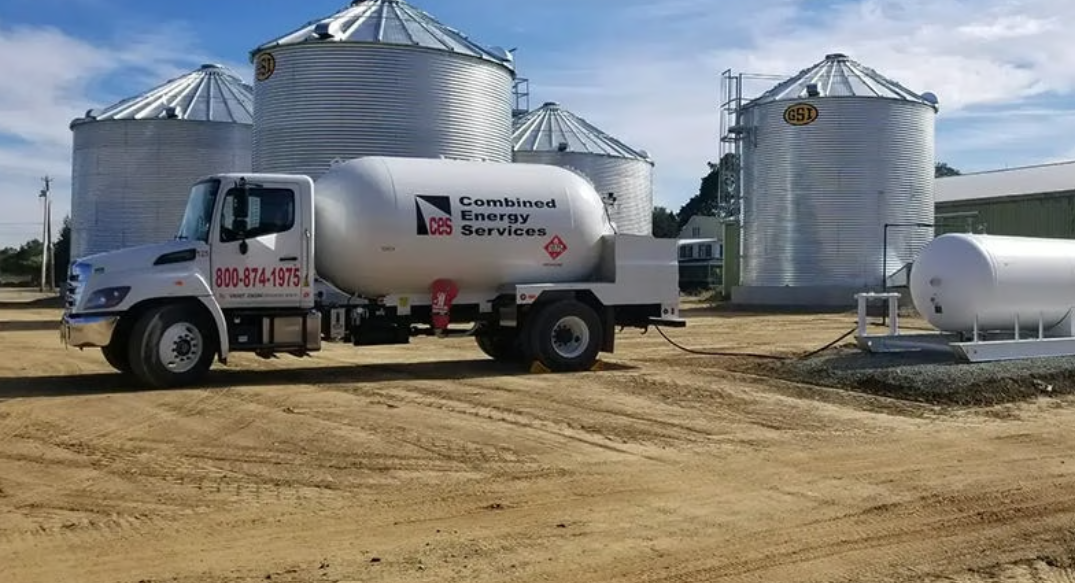
Michigan farmers have a new opportunity to cut fuel costs and modernize their operations through grants that help pay for propane-powered agricultural equipment, part of a broader push to support on-farm energy efficiency and resilience.
New propane grants for Michigan farmers
Michigan Farm News reports that a new round of grants is available to help state farmers invest in qualifying propane-powered ag equipment, with support from the Propane Education & Research Council (PERC). The program is designed to offset the upfront cost of switching from older diesel or gasoline units to cleaner-burning propane technologies used for operations such as irrigation, grain drying, and power generation.
According to the announcement, eligible producers can apply for financial incentives tied to the purchase of new, certified propane equipment, provided they agree to share basic performance and usage data after installation. That data helps manufacturers and PERC refine future designs and make sure new models actually meet everyday farm demands.
“By offering incentives to farmers in exchange for performance data, we’re establishing a mutually-beneficial relationship that will assist in developing new technology to support the industry,” said Mark Leitman, director of business development and marketing at PERC. Program sponsors say the goal is to make it easier for producers to adopt equipment that uses less fuel, reduces emissions, and is often simpler to maintain than older engines.
How the propane incentives work
The Michigan offering is aligned with PERC’s broader propane farm incentive and research programs, which have been operating nationally for several years. Under those models, farmers can receive thousands of dollars in incentives in return for documenting real-world performance of propane-fueled irrigation engines, generators, grain dryers, and other farm systems.
PERC’s Farm Research Program, updated for 2025, shows the scale of support now available for producers who are willing to test next-generation propane technologies. The program offers increased funding for new propane-powered industrial engines at about 600 dollars per liter of engine displacement, along with incentives for prime power and backup generators and even a new category for propane-powered poultry house sanitizers, with total savings per farm potentially reaching 10,000 dollars on qualifying equipment.
These national incentive levels help illustrate the kind of financial assistance Michigan farmers can look for when they evaluate propane-powered options for their own operations. While specific grant amounts in Michigan may vary by equipment type and application, the structure is similar: producers apply, purchase qualifying equipment, operate it in normal conditions, and then provide feedback and performance metrics through a simple reporting process.
Why propane is drawing more attention on farms
Propane advocates argue that modern propane engines and heaters give farmers a mix of reliability, flexibility, and lower emissions compared with many older diesel units. Propane-fueled irrigation engines, for example, often deliver competitive power and torque with reduced maintenance needs and the ability to run where electric service is limited or unreliable.
PERC notes that the technologies supported through its programs are typically certified by the U.S. Environmental Protection Agency or the California Air Resources Board, which helps ensure that emissions and performance standards are being met. In practice, that means farmers adopting newer propane systems can often reduce greenhouse gas and particulate emissions compared with older, less efficient engines, while also improving fuel efficiency.
On livestock and specialty crop farms, propane remains a workhorse for space heating, drying, and sanitization, and new equipment is aimed at making those uses cleaner and more precise. The move to expand incentives for technologies like propane-powered poultry house sanitizers underscores how energy choice is now intertwined with animal health, biosecurity, and worker safety on many farms.
Part of a wider wave of ag grants
The new propane equipment grants arrive as Michigan agriculture sees a broader uptick in funding opportunities tied to efficiency, sustainability, and value-added production. Earlier this month, the Michigan Department of Agriculture and Rural Development (MDARD) opened applications for its new Regenerative Farmer Network Grants, which can provide up to 50,000 dollars to farmer-led networks focused on practices that improve soil health, water quality, and long-term farm profitability.
“Regenerative agriculture can provide scalable and sustainable solutions to help farms become more resilient, productive and profitable in the face of these challenges,” said MDARD Director Tim Boring in announcing the regenerative grant program. MDARD’s regenerative initiative joins federal tools like USDA’s Value-Added Producer Grants, which open a new application window for Michigan producers on January 15, 2026 and can support planning and working capital for projects that create new products or markets.
Together, these programs signal a policy environment that rewards farmers who modernize equipment, adopt conservation practices, and explore new revenue streams. For many operations, pairing an energy-focused grant like the propane equipment incentives with broader regenerative or value-added funding could lower risk on capital investments while building more resilient business models.
What Michigan farmers should consider next
For producers interested in propane equipment support, the first step is to review eligibility details, timelines, and application requirements for the Michigan grants and related PERC programs. Farmers will want to work closely with local equipment dealers and propane suppliers to confirm which engines, dryers, generators, or sanitizing systems qualify and to estimate potential fuel savings over the life of the equipment.
Because many incentive programs require performance reporting, farms should also plan ahead for simple data collection, such as tracking run hours, fuel consumption, and basic maintenance. For operations already exploring regenerative practices or value-added ventures, aligning an energy upgrade with other grant-funded projects could help spread costs and accelerate payback on new investments.
By stacking these opportunities, Michigan farmers can use today’s grant landscape to update aging infrastructure, lower operating costs, and improve both environmental performance and farm resilience in a volatile market environment.
Program registration/application
Applications may be accepted online at propane.com/pfrp. After creating an account and logging in, applicants will be asked to complete a brief demographic survey about their operation, add equipment, answer required questions, upload invoice or receipt, upload W-9 and sign electronic contract.

I am the CEO of Big Equipment Pros. We provide equipment industry news, data, and insights to help professionals make smart decisions and grow their businesses. We also work with equipment vendors and finance professionals to help them attract customers and expand through strategic marketing partnerships.
0 Comments