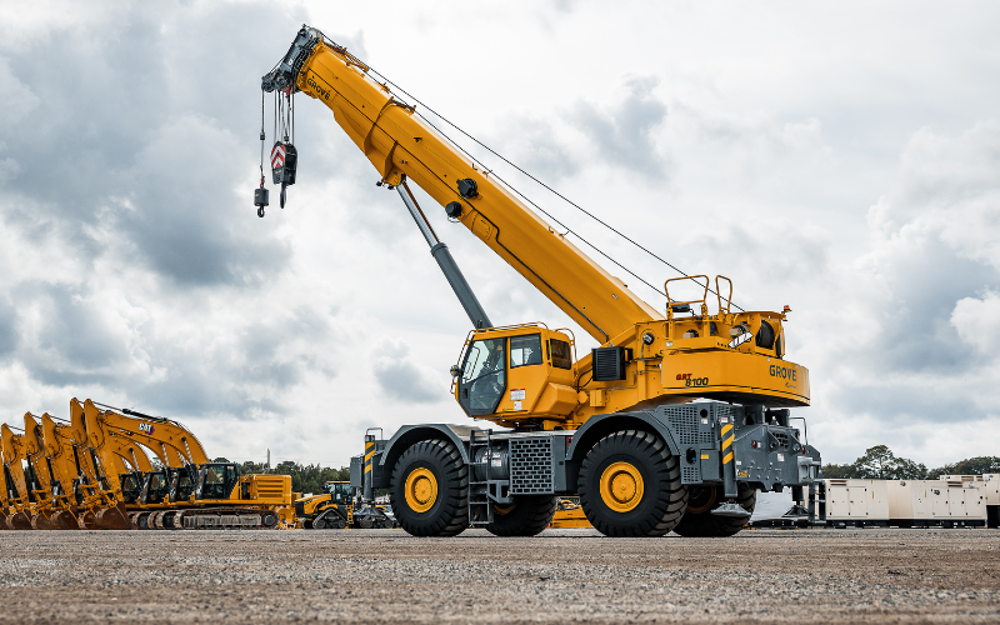
An equipment sale-leaseback is a financing structure where a company sells an asset to a lender or financing company and then leases it back under specified terms.
This arrangement allows the seller to receive a lump sum of working capital while continuing to use the equipment through lease payments.
The transaction typically involves equipment with a remaining useful life of two to seven years, though large deals may extend beyond these parameters.
Transaction Mechanics
The process begins with the lender appraising the equipment to determine its fair market value. This valuation focuses on liquidation potential and market comparables rather than book value.
Once parties agree on price, the seller transfers ownership to the lessor and receives immediate capital. Simultaneously, the parties execute a lease agreement specifying term, payment schedule, interest rate, and use conditions.
The seller-lessee continues operating the equipment without interruption while making periodic lease payments.
Large equipment deals—typically exceeding $5 million—require enhanced due diligence. The financing structure’s tenor, payment schedule, and interest rate must align with the equipment’s economic life and the lessee’s cash flow capabilities.
Transactions involving specialized industrial machinery, medical imaging equipment, or aviation assets demand technical expertise to assess residual value and marketability.
Strategic Rationale
Companies pursue sale-leasebacks to enhance liquidity, strengthen financial foundations, and prioritize core business investments. The structure converts illiquid fixed assets into cash without operational disruption.
For capital-intensive industries like manufacturing, healthcare, and construction, this unlocks trapped equity for growth initiatives, debt reduction, or working capital.
The arrangement also offers potential balance sheet optimization. Under proper structuring, the transaction may remove equipment from the balance sheet while creating a right-of-use asset and lease liability, potentially improving financial ratios.
Accounting considerations fundamentally shape sale-leaseback structure. ASC 842, implemented for public companies in 2019 and private companies in 2022, modified traditional sale-leaseback accounting and introduced stricter criteria for sale recognition.
ASC 842 Sale Recognition Criteria
For a transaction to qualify as a sale under ASC 842, it must meet specific conditions. The lease term cannot be so long or payment terms so significant that the transaction constitutes a substantive sale of the property back to the lessee.
The underlying asset must have alternative uses, requiring only reasonable alterations to release to another lessee. This criterion may preclude certain highly specialized industrial equipment from sale recognition.
The new standards eliminated bright-line tests, replacing them with principles-based assessments. Both the sale transaction and lease transaction must be recorded at fair value. Since transactions typically execute as a package, parties cannot negotiate off-market sale terms compensated by off-market lease terms. The guidance requires adjustment to fair value to reflect commercial substance.
Lease Classification Impact
The leaseback classification as operating or finance lease critically affects accounting treatment. An operating lease indicates the seller-lessee has relinquished control, allowing immediate gain recognition. A finance lease suggests retained control, resulting in a “failed sale” treated as financing.
For qualified sale-leasebacks with operating leasebacks, the seller-lessee derecognizes the equipment and recognizes any gain or loss immediately. The gain equals the difference between sale price and equipment carrying value. The lessee recognizes a right-of-use asset and lease liability based on present value of lease payments.
If the transaction fails sale criteria, it becomes a financing arrangement. The seller-lessee continues recognizing the asset and records a financial liability for proceeds received. This outcome often defeats the transaction’s strategic purpose, making preliminary accounting analysis essential.
Valuation Methodology and Pricing
Accurate equipment valuation determines transaction feasibility and structure. Lenders base sale-leaseback agreements on equipment liquidation value—what the asset would command in a forced sale scenario. This differs from orderly market value and requires specialized appraisal expertise.
Appraisers employ multiple methodologies for large equipment. The market approach analyzes recent sales of comparable assets, adjusting for age, condition, technology, and market conditions. The income approach calculates present value of future economic benefits the equipment generates.
The cost approach determines replacement cost minus depreciation.
For specialized equipment, appraisers must consider technological obsolescence, regulatory changes, and market liquidity. Medical equipment faces rapid technology cycles that accelerate depreciation.
Construction equipment values fluctuate with economic cycles and commodity prices. Aviation assets require understanding international regulatory regimes and global market dynamics.
The sale price typically ranges from 70 to 90 percent of fair market value, depending on equipment quality, age, and marketability. Lenders apply discount factors reflecting their required returns, risk premiums, and anticipated residual values.
Lease payments incorporate implicit interest rates, amortization schedules, and residual value assumptions.
Large transactions often involve staged funding. The lender may advance 80 percent of purchase price at closing, with additional draws contingent on equipment verification, documentation completion, or performance milestones. This structure mitigates funding risk while providing the seller working capital.
Residual Value Considerations
Residual value assumptions critically affect pricing. Lenders project equipment value at lease end based on historical depreciation curves, technological trends, and market demand.
For long-life industrial assets, residual values may exceed 30 percent of original cost. For technology equipment, residual values often approach zero.
Brokers must ensure residual assumptions reflect market realities. Overly optimistic residuals reduce lease payments but create lender risk. Conservative residuals increase payments but improve transaction viability. Independent third-party residual value guarantees can bridge valuation gaps in large transactions.
Core Transaction Documents
The sale agreement transfers equipment ownership and specifies purchase price, closing conditions, and representations about equipment condition and title. The lease agreement defines lease term, payment structure, maintenance responsibilities, insurance requirements, and end-of-term options.
Large equipment sale-leasebacks require comprehensive documentation addressing multiple legal and commercial issues. The transaction structure typically reflects accounting considerations, tax implications, and commercial objectives.
Security agreements perfect the lender’s interest in equipment and related assets. Intercreditor agreements coordinate rights with existing lenders. Subordination agreements may be needed if seller financing participates in the capital structure.
The seller provides extensive representations regarding equipment condition, maintenance history, regulatory compliance, and absence of liens or encumbrances. For large transactions, lenders conduct thorough due diligence, including equipment inspections, maintenance record reviews, and title searches.
Environmental representations prove critical for certain equipment. Manufacturing machinery may involve hazardous materials handling. Medical equipment requires radiation safety compliance. Aviation assets face stringent environmental regulations. Breaches of these representations can trigger indemnification obligations or transaction termination.
Default and Remedy Provisions
Lease agreements specify events of default, including payment failures, covenant breaches, and material adverse changes. Large equipment leases typically include cure periods for monetary defaults but immediate remedies for non-monetary breaches.
Upon default, lenders can accelerate lease obligations, repossess equipment, and pursue deficiency claims. However, repossession of large specialized equipment presents practical challenges.
The lender may need to operate the equipment to preserve value or find replacement lessees.
These complexities require carefully drafted remedy provisions addressing equipment deinstallation, transportation, and remarketing.
Risk Factors and Mitigation Strategies
Sale-leaseback transactions involve distinct risks requiring proactive management. Understanding these risks enables brokers to structure protections that satisfy lenders while meeting client objectives.
The seller-lessee’s creditworthiness determines transaction viability. Lenders analyze historical financial performance, cash flow projections, industry position, and management quality. For large transactions, credit analysis extends to stress-testing under adverse scenarios.
Mitigation strategies include requiring corporate guarantees, personal guarantees from principal owners, or third-party credit enhancements. Cash collateral reserves, letter of credit support, or subordinated seller financing can improve credit profiles. Covenants monitoring financial performance provide early warning of deterioration.
Equipment value volatility creates lender exposure. Technological obsolescence, regulatory changes, or market shifts can render equipment worthless before lease end. Specialized equipment faces limited buyer pools, complicating repossession and remarketing.
Lenders mitigate equipment risk through conservative valuation, shorter lease terms relative to economic life, and robust maintenance requirements. Technology refresh provisions allow equipment upgrades during lease term. Return conditions specifying equipment condition standards protect residual value.
Failed sale accounting creates structural risk. If the transaction does not qualify for sale treatment under ASC 842, the seller-lessee cannot achieve desired balance sheet effects. This outcome may trigger covenant violations or derail strategic objectives.
Brokers must conduct preliminary accounting analysis before structuring. Engaging accounting advisors early ensures transaction design meets ASC 842 criteria. Documenting fair value determinations, alternative use analysis, and commercial substance supports sale recognition.
Economic downturns affect both lessee performance and equipment values. Construction equipment values correlate with building activity. Manufacturing machinery demand tracks industrial production. Medical equipment faces reimbursement pressure during healthcare budget cuts.
Large transactions often include financial covenants requiring minimum debt service coverage ratios or maximum leverage. These covenants provide lender protection but must be set at realistic levels allowing operational flexibility. Market disruption provisions may adjust lease terms if fundamental industry changes occur.
Market Trends and Strategic Opportunities
The sale-leaseback market evolves rapidly, creating new opportunities for brokers who understand emerging trends. Economic uncertainty drives companies toward liquidity-enhancing strategies, with 64 percent of CFOs pursuing such initiatives.
Generative AI adoption accelerates across industries, with 42 percent of end-users currently employing the technology and another 42 percent planning implementation within two years.
This creates massive sale-leaseback opportunities for data center equipment, specialized computing hardware, and supporting infrastructure.
High-performance computing installations often exceed $10 million, representing ideal high-ticket transactions. However, rapid technological obsolescence requires creative structuring.
Short lease terms, technology refresh options, and flexible end-of-term provisions address obsolescence risk while capturing financing opportunities.
Healthcare Equipment Monetization
Medical equipment financing reaches 84 percent of acquisition volume, the highest of any vertical. Hospitals and healthcare systems increasingly use sale-leasebacks to monetize imaging equipment, surgical suites, and specialized diagnostic tools.
These transactions require understanding healthcare reimbursement dynamics, regulatory compliance, and equipment utilization patterns. Sale-leasebacks enable healthcare providers to fund expansion, upgrade technology, or improve liquidity without operational disruption.
Green Equipment Financing
Nearly one-third of equipment acquisitions support environmental goals, with global climate finance projected to reach $9 trillion by 2030. Sale-leasebacks for renewable energy equipment, electric vehicle fleets, and energy-efficient manufacturing machinery capture this trend.
These transactions often qualify for tax credits, accelerated depreciation, or sustainability-linked financing terms. Brokers who understand green financing mechanisms can structure sale-leasebacks that maximize financial benefits while supporting environmental objectives.
Implementation Framework for Large Transactions
Successfully executing large equipment sale-leasebacks requires systematic processes from initial qualification through closing. Brokers who follow disciplined frameworks improve closing rates and build reputations for reliability.
Pre-Qualification and Structuring
The process begins with comprehensive pre-qualification. Brokers must understand the seller’s objectives, equipment characteristics, and financial condition. Initial assessment includes equipment age, condition, marketability, and remaining useful life.
Financial analysis covers historical performance, cash flow projections, and existing debt obligations.
Preliminary structuring considers transaction size, desired proceeds, lease term preferences, and accounting objectives. Brokers should engage accounting advisors early to assess sale recognition feasibility under ASC 842.
This prevents structuring transactions that fail to achieve desired accounting treatment.
Due Diligence Execution
Due diligence for large equipment sale-leasebacks involves multiple workstreams. Equipment appraisals determine fair market value and residual value assumptions. Financial due diligence verifies historical performance and projection reasonableness.
Legal due diligence confirms title, identifies encumbrances, and assesses regulatory compliance.
For transactions exceeding $10 million, due diligence typically requires 30-60 days. Brokers must coordinate appraisers, accountants, attorneys, and other advisors while maintaining transaction momentum.
Creating detailed due diligence checklists and responsibility matrices ensures comprehensive coverage.
Documentation and Closing
Documentation for large sale-leasebacks requires careful coordination. The sale agreement, lease agreement, and ancillary documents must be drafted, negotiated, and executed simultaneously.
Large transactions often involve multiple rounds of documentation revisions as parties resolve technical issues.
Closing requires satisfying numerous conditions precedent. These may include equipment inspections, third-party consents, regulatory approvals, and funding source internal approvals.
Brokers must manage closing logistics, ensuring all parties deliver required documents and funds on schedule.
Post-Closing Management
After closing, brokers should maintain relationships with both seller-lessees and funding sources.
Monitoring equipment performance, lease compliance, and financial covenant adherence identifies issues early.
Successful post-closing management leads to repeat business and referrals, the lifeblood of high-ticket equipment financing.
Conclusion
Structuring large equipment sale-leasebacks demands expertise across valuation, accounting, law, and credit analysis. The transaction form offers powerful benefits: immediate liquidity, operational continuity, and potential balance sheet optimization.
However, complexity increases with deal size, requiring sophisticated structuring to navigate ASC 842 requirements, mitigate risks, and satisfy multiple stakeholders.
The market environment favors well-structured transactions. With 64 percent of CFOs pursuing liquidity strategies and equipment financing reaching 57.7 percent of all equipment investment, sale-leaseback opportunities abound.
Brokers who master these structures position themselves as trusted advisors in the high-ticket equipment finance market.
Success requires disciplined processes, deep expertise, and proactive risk management. Brokers must conduct thorough pre-qualification, coordinate comprehensive due diligence, and manage documentation meticulously.
Those who deliver consistently successful outcomes build reputations that attract premium opportunities in this specialized and lucrative market segment.
References
Ascension Advisory. 2025. “Why Companies Are Turning to Sale Leasebacks Amid Economic Uncertainty.” Accessed December 21, 2025. https://ascensionadvisory.com/ascension-advisory-blog/why-companies-are-turning-to-sale-leasebacks-amid-economic-uncertainty.
Equipment Leasing & Finance Association. 2025. “Equipment Finance Industry Sees 3.1% Growth in New Business Volume in 2024 According to ELFA Survey.” Accessed December 21, 2025. https://www.elfaonline.org/newsroom/equipment-finance-industry-sees-3-1-c56f895d.
Equipment Leasing & Finance Foundation. 2024. “Equipment Finance Industry Horizon Report 2024 Fact Sheet.” Accessed December 21, 2025. https://www.leasefoundation.org/wp-content/uploads/2024/10/Fact-sheet_2024-Horizon-Report_FINAL.pdf.
Equipment Leasing & Finance Foundation. 2025. “Horizon Report 2024.” Accessed December 21, 2025. https://www.leasefoundation.org/industry-research/horizon-report/.
The Hartford. 2025. “Sale-Leasebacks: Leveraging Equipment for Cash.” Accessed December 21, 2025. https://www.thehartford.com/business-insurance/strategy/growing-business/sale-leasebacks.
Visual Lease. 2017. “Sale Leaseback and the New Lease Accounting Standards.” Accessed December 21, 2025. https://visuallease.com/sale-leaseback-new-lease-accounting-standards/.

I am the CEO of Big Equipment Pros. We provide equipment industry news, data, and insights to help professionals make smart decisions and grow their businesses. We also work with equipment vendors and finance professionals to help them attract customers and expand through strategic marketing partnerships.
0 Comments