The equipment finance industry reached an unprecedented $1.34 trillion in 2023, representing 7.1 percent nominal growth compared to 2022. This expansion creates exceptional opportunities for brokers who master high-ticket financing strategies.
Brokers who understand how to structure deals exceeding $5 million position themselves to capture premium commissions while serving clients with complex capital equipment needs.
The market rewards specialization: medical equipment financing reaches 84 percent of acquisition volume, while construction machinery and industrial equipment each achieve 78 percent financing rates.
Success demands more than transactional expertise—it requires strategic positioning, deep vertical knowledge, and sophisticated structuring capabilities that distinguish top performers in an increasingly competitive landscape.
Understanding the High-Ticket Equipment Finance Landscape
The equipment finance industry finances approximately 57.7 percent of all equipment and software investment in the United States.
High-ticket transactions—typically defined as deals exceeding $5 million—represent the most complex and lucrative segment of this market.
These transactions require brokers to navigate intricate credit structures, multiple stakeholder interests, and sophisticated asset valuation methodologies.
Market Size and Growth Dynamics
The industry’s growth trajectory remains robust despite economic headwinds. New business volume increased 3.1 percent in 2024, accelerating from 1.1 percent growth in 2023.
This acceleration occurred amid persistent inflation and evolving credit conditions, demonstrating the sector’s resilience. The Equipment Leasing & Finance Foundation projects continued expansion, with 42 percent of end-users expecting to increase equipment acquisitions in 2025.
Credit conditions have tightened measurably.
Approval and booking rates declined throughout 2024, signaling more cautious underwriting standards across funding sources. Portfolio quality remains strong, with delinquencies low at 98.7 percent of portfolios performing as agreed.
This environment creates both challenges and opportunities for brokers who can present well-structured, creditworthy transactions to selective lenders.
High-Value Equipment Verticals
Medical equipment leads financing propensity at 84 percent of acquisition volume, followed closely by construction machinery and other industrial equipment at 78 percent each.
These verticals demand specialized knowledge. Medical equipment financing requires understanding regulatory compliance, technological obsolescence cycles, and healthcare facility revenue models.
Construction equipment financing necessitates familiarity with project-based cash flows, seasonal utilization patterns, and residual value volatility.
Transportation, agricultural equipment, and information technology represent additional high-ticket categories. The top five equipment types by financing volume include agriculture, construction, wholesale/retail equipment, business services, and health services.
Brokers who develop expertise in specific verticals command premium positioning and repeat business from both end-users and funding sources.
Geographic Concentration and Opportunity
Financing activity concentrates in major economic centers but shows dynamic growth across regions. California leads with $180 billion in private sector financing volume (15.4 percent of total), followed by New York ($104 billion, 8.9 percent) and Texas ($102 billion, 8.7 percent).
However, the most rapid growth occurs in Utah, Texas, Indiana, and Arkansas, each expanding over 25 percent since 2020.
The median state experienced 21 percent growth over this two-year period, indicating broad-based opportunity beyond traditional coastal markets.
Strategic Positioning for Broker Success
Brokers operate in a competitive ecosystem where banks control 59 percent of financing volume, manufacturers and vendors account for 17 percent, and independents hold 15 percent.
The remaining share includes fintechs, which declined from 14 percent in 2021 to 7 percent in 2023. This consolidation creates strategic imperatives for brokers seeking high-ticket opportunities.
Developing Funding Source Relationships
Successful brokers cultivate deep relationships with multiple funding sources rather than relying on single-lender arrangements.
Banks provide three-quarters of their financing to existing primary banking relationships, making them selective about broker-submitted deals. Independent lenders and captive finance companies offer alternative pathways, with independents showing 17.7 percent new business volume growth in 2024—far outpacing banks (-1.3 percent) and captives (+5.9 percent).
Brokers must understand each funding source’s credit appetite, industry preferences, and structuring parameters.
High-ticket deals require early engagement with credit committees, transparent communication about asset quality, and realistic timeline management.
Building credibility through accurate documentation, thorough due diligence, and realistic expectations separates successful brokers from transactional intermediaries.
Specialization Versus Diversification
The debate between vertical specialization and portfolio diversification resolves differently in high-ticket financing. Specialization enables brokers to develop deep expertise, recognize nuanced value drivers, and structure creative solutions.
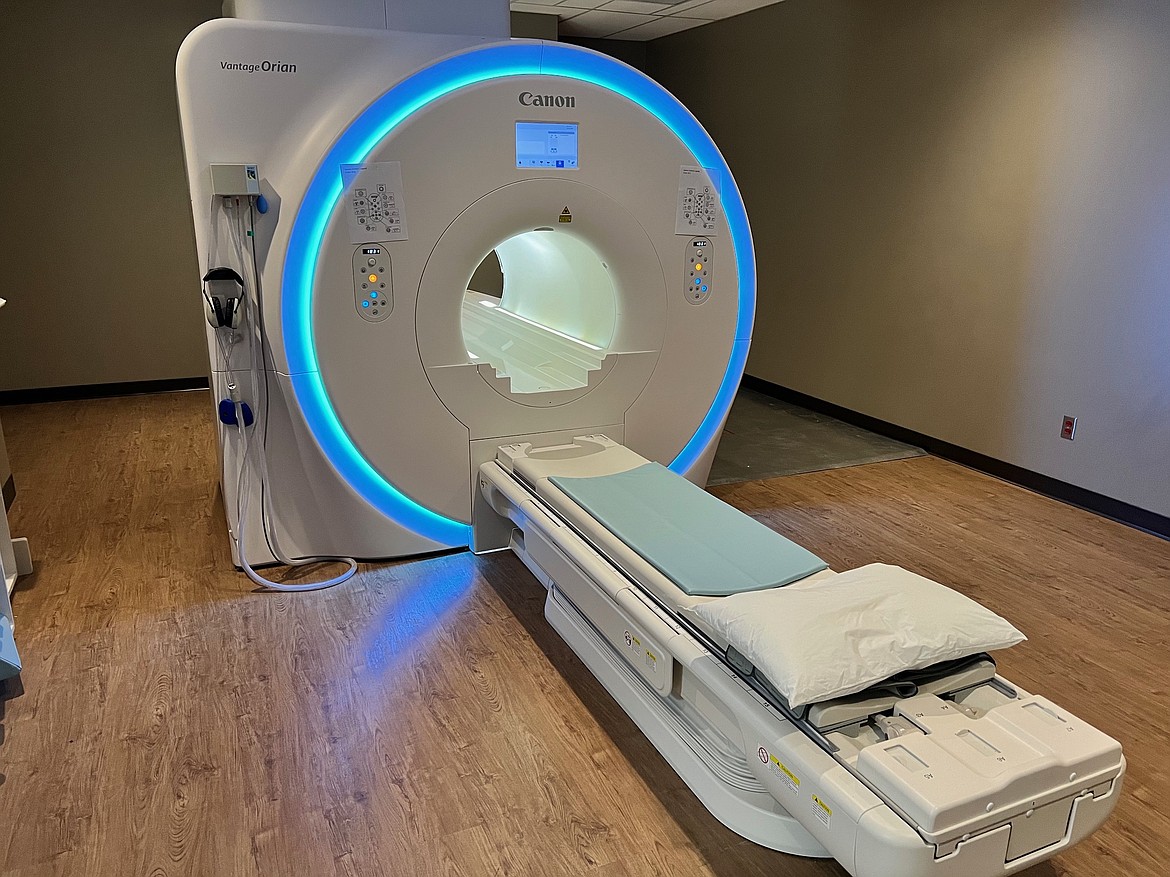
For example, medical equipment brokers who understand MRI depreciation schedules, CMS reimbursement policies, and healthcare system capital budgeting cycles can structure transactions that generalists cannot.
However, diversification across complementary verticals provides portfolio stability. Construction equipment demand correlates with economic cycles, while medical equipment demand remains more consistent.
Technology equipment faces rapid obsolescence, requiring different structuring than long-life industrial assets.
The optimal strategy involves deep expertise in one or two core verticals with working knowledge of adjacent sectors.
Technology Integration and AI Adoption
Artificial intelligence transforms broker operations, with 45 percent of equipment finance companies implementing AI in sales and credit underwriting. Brokers leverage AI for document processing, credit analysis, and market intelligence.
The technology excels at extracting data from financial statements, identifying risk patterns across historical transactions, and monitoring portfolio performance.
Forward-thinking brokers implement AI for documentation management (71 percent of companies exploring this application) and enhanced underwriting (65 percent exploring).
These tools accelerate deal processing, improve accuracy, and enable brokers to handle larger transaction volumes without proportional headcount increases.
The technology does not replace relationship skills but amplifies analytical capabilities and operational efficiency.
Structuring High-Ticket Transactions
High-ticket equipment financing requires sophisticated structuring that addresses multiple stakeholder interests, risk allocation, and regulatory compliance.
While definitions vary, high-ticket transactions typically start at $5 million and extend beyond $100 million. These deals require different processes than middle-market or small-ticket financing.
Credit committees demand comprehensive financial analysis, detailed asset appraisals, and robust structural protections.
Brokers must coordinate multiple parties: end-users, equipment vendors, senior lenders, subordinated debt providers, and equity participants.
Transaction complexity increases with deal size. Large transactions involve multiple funding tranches, varying amortization schedules, and intricate covenant structures.
Brokers must understand how to layer senior secured debt, mezzanine financing, and equity participation to optimize capital structure while meeting lender requirements.
Documentation and Due Diligence
High-ticket financing demands exhaustive documentation. Brokers must compile historical financial statements, projections, asset specifications, maintenance records, and insurance documentation.
Credit committees scrutinize cash flow adequacy, debt service coverage ratios, and stress-test scenarios under adverse conditions.
The documentation burden intensifies for specialized equipment. Medical devices require FDA approvals and maintenance certifications. Construction equipment needs title verification and usage history. Aircraft and railcars involve regulatory compliance and international standards.
Brokers who anticipate these requirements and prepare comprehensive packages accelerate approval processes and build credibility with funding sources.
Creative Structuring Techniques
Successful brokers employ creative structuring to overcome credit challenges and meet client objectives. Sale-leaseback transactions enable companies to monetize owned assets while retaining use. This structure improves liquidity, optimizes balance sheets, and may provide tax advantages.
Brokers must accurately value assets, structure appropriate lease terms, and coordinate legal documentation.
Equipment-as-a-Service (EaaS) models represent an emerging structuring opportunity. Half of end-users already utilize subscription-based equipment models, with an additional 23 percent planning adoption in 2025. These arrangements bundle equipment, maintenance, and software into unified payment streams.
Brokers can structure EaaS transactions that appeal to clients seeking operational flexibility and predictable expenses.
Green financing initiatives create additional structuring dimensions. Nearly one-third of equipment acquisitions support environmental goals, and global climate finance is projected to reach $9 trillion by 2030.
Brokers who understand renewable energy tax credits, carbon offset mechanisms, and sustainability-linked financing terms can structure transactions that capture these value drivers.
Navigating Credit and Compliance
The current credit environment demands heightened attention to underwriting standards, portfolio management, and regulatory compliance. Brokers must understand tightening conditions and position transactions accordingly.
Credit Tightening and Approval Dynamics
Credit standards tightened measurably in 2024, with declining approval and booking rates across the industry. This environment requires brokers to present exceptionally well-structured transactions.
Funding sources scrutinize credit quality more intensely, demand stronger financial covenants, and require larger equity contributions from borrowers.
Brokers must pre-qualify transactions rigorously.
This involves analyzing debt service coverage ratios, assessing management quality, evaluating equipment collateral value, and identifying potential credit issues before submission.
Transactions that reach funding sources with incomplete information or unresolved credit concerns face rejection, damaging broker credibility.
Portfolio Performance and Risk Management
Despite credit tightening, portfolio quality remains strong. Delinquencies stay low, with 98.7 percent of portfolios performing as agreed. However, profitability pressures intensified in 2024.
Lease and loan revenue increased 13 percent, but interest expense rose 33 percent, bad debt provisions increased nearly 50 percent, and total expenses grew 12.7 percent, driving a 14.5 percent drop in pre-tax income.
These pressures make funding sources more selective about new transactions.
Brokers must demonstrate how their deals will perform through economic cycles. This requires realistic projections, appropriate collateral coverage, and structural features that protect lenders during downturns.
Regulatory and Compliance Considerations
High-ticket equipment financing intersects with multiple regulatory regimes. Transactions may involve securities regulations if structured as equipment trust certificates or asset-backed securities.
International deals face export controls, sanctions compliance, and foreign investment restrictions. Healthcare equipment financing triggers Stark Law and Anti-Kickback Statute considerations.
Brokers must understand applicable regulations or partner with specialists who do. Compliance failures can invalidate transactions, create liability for all parties, and damage reputations. The complexity increases with transaction size and cross-border elements.
Emerging Opportunities and Strategic Trends
Forward-looking brokers position themselves for emerging trends that will define high-ticket equipment financing over the next decade. These opportunities require new capabilities, partnerships, and structuring expertise.
Generative AI and Technology Investment
Generative AI adoption accelerates across end-user industries, with 42 percent currently using the technology and another 42 percent planning implementation within two years.
This creates massive equipment financing demand for data centers, specialized computing hardware, and supporting infrastructure.
High-performance computing equipment often costs millions per installation, representing ideal high-ticket opportunities.
Brokers must understand AI infrastructure requirements, depreciation schedules, and the unique credit profiles of technology companies. These deals often involve rapid obsolescence cycles, requiring flexible structuring and realistic residual value assumptions.
Equipment-as-a-Service Evolution
The EaaS model transforms equipment acquisition from capital purchase to operational expense. Half of end-users already subscribe to equipment services, with 23 percent planning adoption. This shift creates opportunities for brokers to structure subscription-based financing that aligns with vendor offerings and client preferences.
High-ticket EaaS transactions require brokers to coordinate vendors, funding sources, and end-users in integrated structures. These deals often involve performance guarantees, usage-based pricing, and technology upgrade provisions.
Brokers who master EaaS structuring differentiate themselves in markets where traditional financing becomes commoditized.
Geographic and Sector Expansion
While traditional markets remain important, growth accelerates in emerging regions. Utah, Texas, Indiana, and Arkansas each grew over 25 percent since 2020. These markets offer less competition and growing equipment demand.
Brokers who establish presence in high-growth regions capture first-mover advantages.
Sector expansion opportunities include renewable energy infrastructure, electric vehicle charging networks, and advanced manufacturing equipment.
Each sector requires specialized knowledge but offers high-ticket transaction potential and growth tailwinds.
Practical Implementation Strategies
Brokers translate strategic understanding into actionable results through disciplined processes, relationship management, and continuous capability development. Success requires systematic approaches rather than opportunistic deal-chasing.
Building a High-Ticket Pipeline
Effective pipeline development combines targeted marketing, referral networks, and strategic partnerships. Brokers should identify companies with capital expenditure plans exceeding $5 million annually, typically found in manufacturing, healthcare, transportation, and energy sectors.
These organizations plan acquisitions 6-18 months in advance, requiring early engagement.
Relationship building with equipment vendors provides deal flow. Manufacturers and vendors finance 17 percent of equipment acquisitions directly but refer many opportunities to independent brokers.
Demonstrating ability to close complex transactions earns vendor referrals and preferred broker status.
Transaction Management Excellence
High-ticket deals require meticulous project management.
Brokers must coordinate due diligence, documentation, credit approval, and closing across multiple parties. Creating detailed transaction timelines, responsibility matrices, and communication protocols prevents delays and demonstrates professionalism.
Regular communication with all stakeholders maintains momentum.
Funding sources appreciate brokers who proactively address issues, provide complete information, and manage client expectations realistically. End-users value brokers who explain complex terms clearly and advocate effectively for their interests.
Capability Development and Team Building
Individual brokers rarely handle high-ticket transactions alone. Successful practices build teams combining relationship management, credit analysis, documentation expertise, and industry specialization.
Employment in the equipment finance industry declined 2.48 percent in 2024, with banks and captives reducing headcount while independents grew 4.3 percent. This creates talent acquisition opportunities for growing brokerages.
Continuous learning proves essential. Brokers must stay current with industry trends, regulatory changes, and emerging technologies. Participation in industry associations, attendance at specialized conferences, and ongoing education in target verticals maintain competitive edge.
Conclusion
High-ticket equipment financing offers brokers exceptional opportunities within the $1.34 trillion industry. Success demands strategic positioning, deep vertical expertise, sophisticated structuring capabilities, and disciplined execution.
Brokers who specialize in high-propensity verticals like medical equipment (84 percent financed) and construction machinery (78 percent financed) while building strong funding source relationships capture premium opportunities.
The current credit environment requires exceptional transaction quality. With approval rates declining and underwriting standards tightening, brokers must present thoroughly analyzed, well-structured deals that address credit concerns proactively.
Those who master emerging trends—generative AI infrastructure, equipment-as-a-service models, and green financing—position themselves for future growth.
Practical success comes from systematic pipeline development, meticulous transaction management, and continuous capability building.
Brokers who implement these strategies while maintaining focus on client outcomes and funding source requirements build sustainable practices that thrive across economic cycles.
The equipment finance industry continues expanding, and brokers who deliver value in high-ticket transactions secure their position in this essential sector of the American economy.
References
Equipment Leasing & Finance Association. 2025. “Equipment Finance Industry Sees 3.1% Growth in New Business Volume in 2024 According to ELFA Survey.” Accessed December 21, 2025. https://www.elfaonline.org/newsroom/equipment-finance-industry-sees-3-1-c56f895d.
Equipment Leasing & Finance Foundation. 2024. “Equipment Finance Industry Horizon Report 2024 Fact Sheet.” Accessed December 21, 2025. https://www.leasefoundation.org/wp-content/uploads/2024/10/Fact-sheet_2024-Horizon-Report_FINAL.pdf.
Equipment Leasing & Finance Foundation. 2024. “Horizon Report 2024.” Accessed December 21, 2025. https://www.leasefoundation.org/industry-research/horizon-report/.

I am the CEO of Big Equipment Pros. We provide equipment industry news, data, and insights to help professionals make smart decisions and grow their businesses. We also work with equipment vendors and finance professionals to help them attract customers and expand through strategic marketing partnerships.
0 Comments