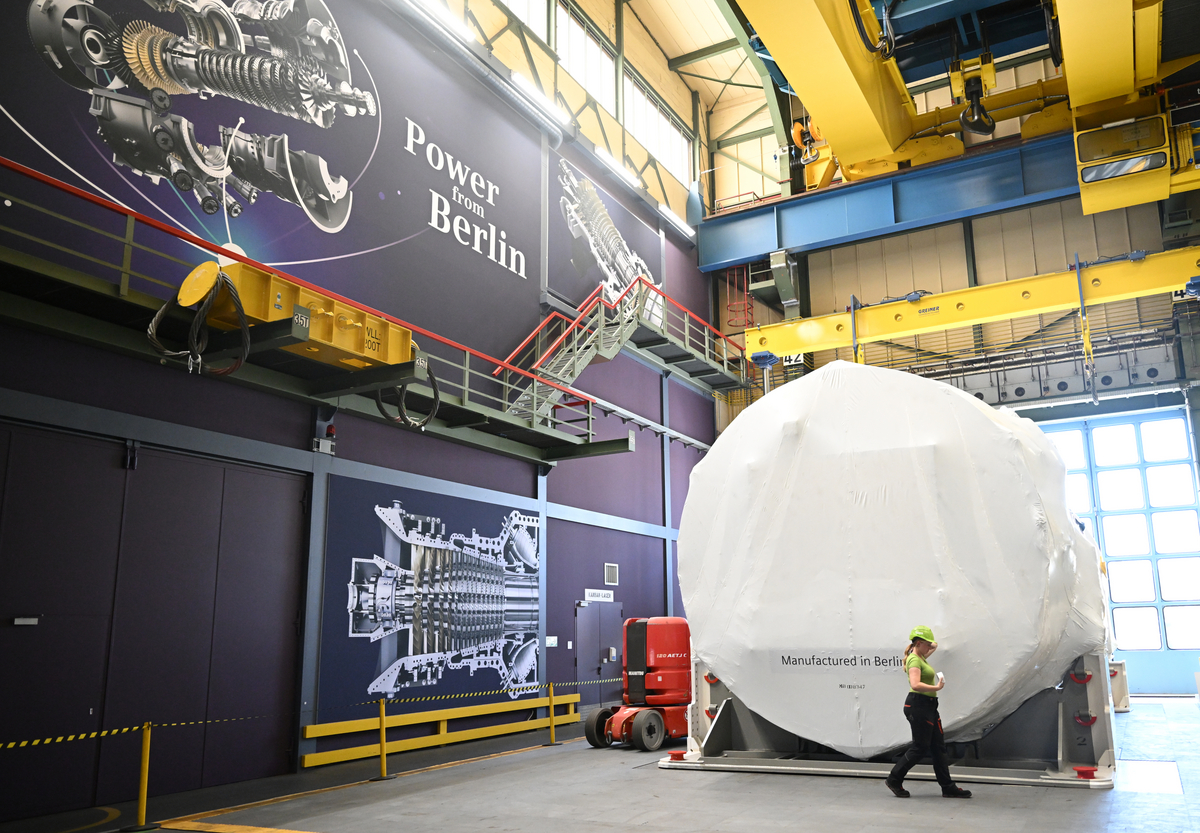
Siemens Energy’s recent $1 billion investment in US manufacturing marks more than a corporate expansion—it’s a signal to the market that grid‑related assets are set to drive equipment growth for years, not just quarters.
For vendors and finance professionals alike, the opportunity lies in positioning early around the accelerating buildout of power infrastructure, AI‑driven electricity demand, and long‑cycle grid modernization.
Implications for Equipment Vendors
Power‑related equipment is poised to become a “must‑have” category across construction and industrial projects.
Contractors building data centers, industrial plants, and large commercial sites increasingly need on‑site generation—such as gas turbines, large gensets, switchgear, transformers, and temporary power distribution—to secure reliable electricity while waiting on permanent utility interconnections.
With major OEMs like Siemens operating at capacity, vendors should expect tight allocation conditions, extended lead times, and more collaborative planning across the supply chain. Those who can forecast jointly with OEMs, manage customer expectations, and lock in factory slots ahead of demand will gain a lasting competitive edge.
At the same time, customers are asking for more integrated solutions. Instead of sourcing cranes, temporary power, and switchgear separately, project owners increasingly want a single provider to manage end‑to‑end power delivery.
Vendors who can bundle site equipment with grid‑related assets and services into turnkey packages will stand out when bidding for large‑scale projects.
Success will also require a shift from transactional selling to consultative engagement. As grid constraints and data center loads grow increasingly complex, buyers want partners who can help size power systems, model redundancy, and navigate long interconnection processes.
Developing stronger application engineering and technical sales capabilities will be critical.
Opportunities and Risks for Equipment Finance Professionals
For lenders, independents, and captives, Siemens’ expansion opens a new frontier—one that blends large deal sizes, strong credit quality, and evolving technology risk.
Opportunities include:
-
New asset classes and larger deal sizes. Financing high‑voltage switchgear, large transformers, or modular turbines can significantly increase average ticket size compared with traditional construction equipment.
-
Strong counterparties. Investors and lenders are increasingly dealing with utilities, hyperscale data centers, and infrastructure funds—organizations with regulated or long‑term revenue streams that can support structured, extended‑term financing.
-
Structuring to fit project schedules. With grid interconnections often lagging construction timelines, creative solutions such as bridge financing, step‑up rentals, or pay‑per‑use agreements will become essential.
-
ESG‑linked growth. Grid‑modernization assets—particularly hydrogen‑ready turbines and advanced switchgear—fit squarely into sustainability agendas, paving the way for green and transition‑linked financing.
Key risks to manage:
-
Technology turnover. Rapid advances in storage, grid‑forming inverters, and low‑carbon generation mean residual values may be uncertain over long tenors.
-
Policy volatility. Changes in regulation or carbon pricing could alter project economics; underwriting should include multiple policy scenarios.
-
Customer concentration. A handful of hyperscale and AI‑driven developers dominate current demand, making diversification crucial.
How Vendors Can Realign Their Go‑to‑Market
To capitalize on grid‑driven growth, equipment vendors can take several practical steps:
-
Partner with power OEMs. Developing preferred relationships with Siemens and similar firms can secure equipment access and enable bundled, high‑value offerings.
-
Package standard power solutions. Create modular kits—such as “data center construction power packages”—that combine switchgear, temporary generation, and monitoring tools.
-
Expand lifecycle service capabilities. Offering commissioning, maintenance, and upgrades deepens customer relationships and recurring revenue.
-
Plan for long‑cycle demand. The sustained increase in power consumption warrants larger inventories, longer planning horizons, and expanded working capital.
How Finance Professionals Can Capture the Moment
Capital providers will need to evolve beyond rate‑focused transactions toward project‑aligned structures:
-
Launch specialized grid finance programs. Co‑branded offerings with OEMs can streamline credit and documentation for high‑value, long‑life assets.
-
Match structures to project phases. Flexible scheduling—interest‑only during construction or usage‑based pricing after commissioning—better fits the cash‑flow profile of grid‑dependent projects.
-
Invest in technical expertise. Finance teams that understand how interconnection timelines and AI workloads affect project viability will underwrite smarter and build stronger client trust.
-
Collaborate with vendors. Joint vendor‑finance programs can pre‑qualify customers in key sectors, speeding deal flow while managing risk.
The Bottom Line
Siemens Energy’s billion‑dollar bet is a clear signal that the U.S. grid transition has entered a long‑term acceleration phase.
Vendors and financiers who align early—developing the partnerships, products, and expertise to support this new power infrastructure cycle—will be well positioned to lead as energy demand and industrial electrification reshape the market.
Sources
-
https://www.foxbusiness.com/economy/siemens-energy-investing-1b-creating-highly-skilled-jobs-us
-
https://www.eenews.net/articles/siemens-energy-to-spend-1b-expanding-us-turbine-and-grid-factories/

I am the CEO of Big Equipment Pros. We provide equipment industry news, data, and insights to help professionals make smart decisions and grow their businesses. We also work with equipment vendors and finance professionals to help them attract customers and expand through strategic marketing partnerships.
0 Comments